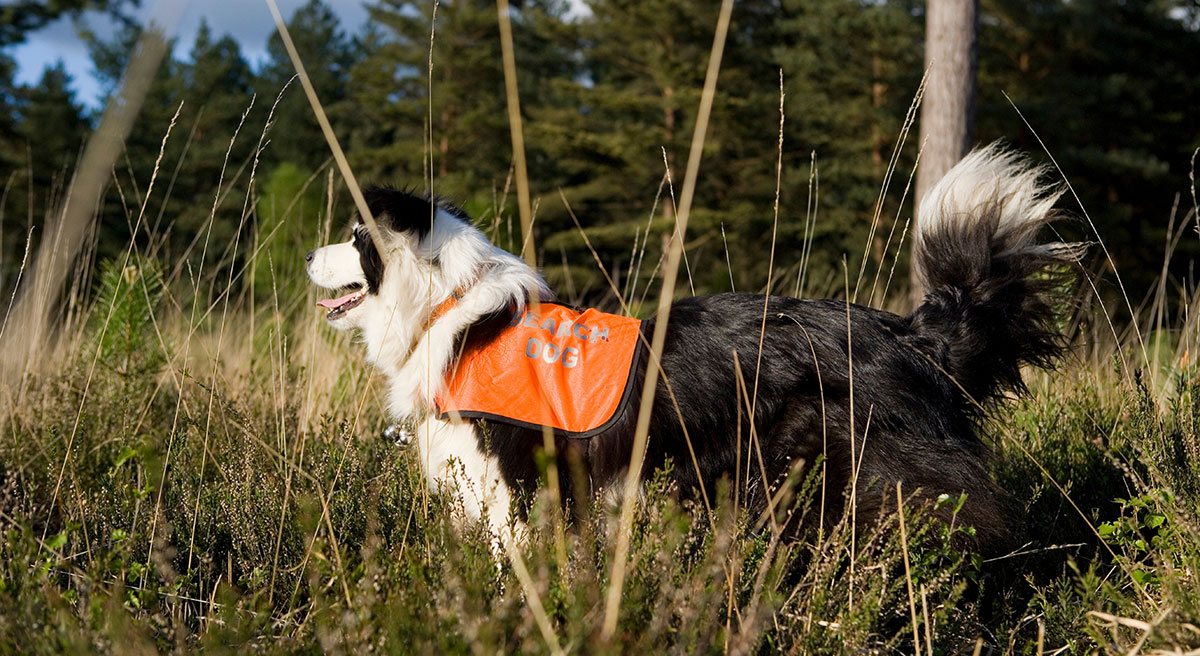
The Role of Dogs in First Responder Work
As a firefighter and paramedic, I have experienced firsthand the intensity and unpredictability of emergency response work. Every day presents new challenges, from carrying heavy equipment to making split-second life-or-death decisions. Over time, these demands can take a toll on both the body and mind. That’s why I have dedicated a portion of my career to training dogs specifically to support first responders. Canine companions can provide safety, emotional support, and practical assistance, making them invaluable partners in high-stress environments.
Dogs have been working alongside humans for centuries in roles like search and rescue, law enforcement, and therapy. But their potential to support first responders goes beyond traditional roles. When trained properly, dogs can help reduce stress, improve focus, and even assist in physically demanding tasks. Their presence is comforting and grounding, and their abilities can make a tangible difference on the job and in our lives.
Choosing the Right Dogs for First Responders
Not every dog is suited for this type of work. The right dogs have steady temperaments, high energy, and strong focus. They must be able to remain calm during loud noises, chaotic environments, and sudden movements. Socialization from a young age is critical. Dogs need exposure to a variety of sights, sounds, and experiences so they can adapt confidently to real-world emergency scenarios.
Each dog has unique strengths and weaknesses, which is why personalized training is so important. Some dogs excel at emotional support, sensing when a handler is stressed and responding with comforting behaviors. Others are better suited for search and rescue, detecting scents, and navigating challenging terrain. Understanding the dog’s personality allows me to tailor my own dogs’ training for the specific needs of patients and first responders.
Building Trust and Communication
The foundation of effective canine training is trust. First responders need to rely on their dogs in high-pressure situations, and dogs need to trust their handlers to provide consistent guidance. I spend significant time developing this bond through daily interactions, training exercises, and consistent routines.
Training includes teaching dogs to recognize stress signals, such as changes in posture, behavior, or breathing. When they detect these signals, dogs learn to respond appropriately, whether by staying close, nudging their handler, or offering calm presence. Over time, this mutual understanding creates a partnership where both dog and handler are confident in each other’s abilities.
Training Techniques for High-Stress Situations
Canine training for first responders focuses on practical skills that translate directly to emergency work. Exposure to realistic scenarios is key. Dogs practice responding calmly to loud noises, sudden movements, and crowded environments. Positive reinforcement is critical in every session. Rewarding dogs for calm, attentive behavior ensures they associate high-stress situations with success rather than fear.
I also incorporate physical conditioning into training. First responders often need dogs that can navigate rough terrain, climb obstacles, or work alongside them for extended periods. Conditioning exercises keep dogs strong, agile, and able to maintain focus even during physically demanding situations. This combination of mental and physical training prepares them to perform reliably in real emergencies.
Emotional Support and Stress Relief
One of the most significant benefits of canine companions is their ability to provide emotional support. The job of a firefighter or paramedic is stressful, and over time, the weight of repeated exposure to emergencies can impact mental health. Having a trained dog to offer comfort, reduce anxiety, and provide a calming presence is incredibly valuable.
Emotional support dogs help first responders decompress after difficult calls, offering companionship without judgment. They can help reduce stress hormones, improve mood, and provide a sense of stability. This support allows responders to maintain focus and resilience, both on and off the job.
Enhancing Safety and Performance
Dogs can also enhance safety in emergency situations. Search and rescue dogs are trained to detect scents, locate missing individuals, and assist in disaster response. In some cases, dogs can alert handlers to potential hazards, giving responders an extra layer of awareness. Their keen senses and training make them a powerful tool for improving safety and operational efficiency.
Even in everyday tasks, well-trained dogs contribute to performance. They respond to commands reliably, follow routines, and remain focused during chaotic situations. This allows handlers to concentrate on critical tasks without worrying about distractions or disruptions.
Integrating Canine Training into Daily Life
For first responders, integrating canine training into daily routines requires consistency and dedication. Short, focused training sessions several times a day are more effective than occasional long sessions. Training should also be balanced with rest, exercise, and mental stimulation to ensure dogs remain healthy and engaged.
At Redline K9 Training, I focus on creating structured programs that address the specific needs of dog owner and for first responders. From basic obedience to advanced emotional support and search and rescue skills, each program is tailored to maximize the dog’s effectiveness and strengthen the handler-dog partnership.
Canine companions are more than pets—they are partners, teammates, and lifelines for first responders. Training dogs to provide safety, emotional support, and practical assistance enhances both performance and well-being in high-stress careers. The right dog, combined with structured training, trust, and consistent practice, can make a meaningful difference on the job and at home.
For me, working with dogs has been incredibly rewarding. Seeing how a well-trained dog can reduce stress, improve focus, and enhance safety reinforces why this work is so important. First responders face unique challenges every day, and having a reliable canine companion makes those challenges more manageable. These dogs are not just helping hands—they are a source of strength, comfort, and resilience for the people who dedicate their lives to protecting others.