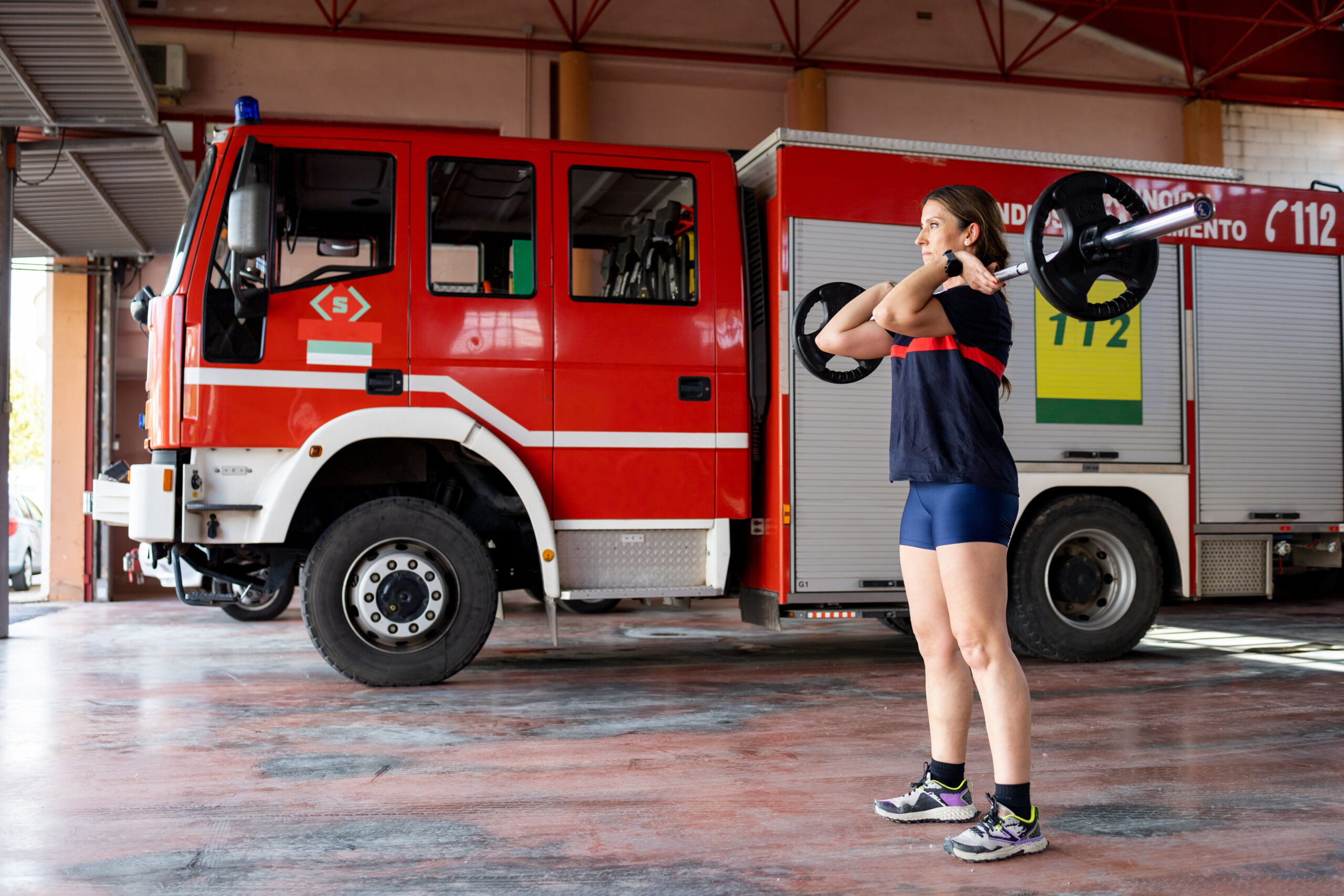
Understanding the Demands of the Job
Being a firefighter and paramedic is physically demanding in ways most people can’t imagine. Every day on the job, we face heavy lifts, long hours, unpredictable situations, and high-stress environments. You never know when you might be running up stairs with full gear, dragging a victim to safety, or performing CPR in less than ideal conditions. Physical fitness is not just a personal goal for me; it is a professional necessity. If I’m not in peak condition, I can’t perform at my best, and that could impact the lives of the people I serve.
Building a Strong Foundation
The foundation of my fitness routine is strength training. Firefighting requires lifting, pulling, and pushing heavy objects, so building functional strength is key. I focus on compound movements like squats, deadlifts, and presses, which work multiple muscle groups at once. This approach mirrors the movements I use on the job. I also include exercises that improve grip strength because hauling hoses, ladders, and rescue equipment often depends on your hands and forearms as much as your core or legs.
Endurance is equally important. While strength helps me move heavy loads, cardiovascular fitness ensures I can sustain energy during long calls or extended emergencies. I run, bike, and perform high-intensity interval training to build both aerobic and anaerobic endurance. The combination of strength and endurance training prepares my body for the unexpected challenges of emergency response.
Incorporating CrossFit into Daily Training
CrossFit has been a part of my life since I was a teenager, and it continues to be a major influence on how I train for my job. One of the reasons I love CrossFit is its focus on functional fitness. The workouts mimic real-world movements, which is exactly what I need as a firefighter and paramedic. From carrying weighted sandbags to lifting and throwing objects overhead, CrossFit prepares me for the kinds of tasks I encounter every day.
I also appreciate that CrossFit challenges both the body and the mind. During intense workouts, you have to push through discomfort, stay focused, and maintain proper technique. These same skills are necessary when responding to emergencies. The mental toughness you build in training translates directly to your performance on the fireground or during a paramedic call.
Recovery is Part of Performance
One mistake I see too often among first responders is neglecting recovery. Pushing yourself too hard without proper rest can lead to injury and burnout. For me, recovery includes sleep, nutrition, and active recovery techniques. I make sure to get enough rest, fuel my body with balanced meals, and spend time stretching or doing mobility work. I also find value in yoga and foam rolling to keep muscles supple and joints healthy. Recovery is not optional; it is part of training.
Nutrition for Strength and Stamina
Nutrition plays a huge role in maintaining performance. I focus on whole foods that provide sustained energy, plenty of protein to support muscle repair, and healthy fats to reduce inflammation. Hydration is critical, especially on long shifts or during physically demanding calls. I also pay attention to timing meals around workouts and shifts so I can maintain energy levels without feeling sluggish. Proper nutrition is the fuel that allows me to perform at my best in every situation.
Training for Real-World Situations
Beyond the gym, I try to make my training as job-specific as possible. I practice carrying heavy loads, climbing stairs with weight, and simulating the kinds of movements I encounter on calls. These exercises might not look glamorous, but they are practical. Training like this ensures that when I am called to respond to a fire or emergency, my body is prepared for the challenge.
Mental Resilience Through Fitness
Physical performance is only part of the equation. Mental resilience is just as important. Pushing through tough workouts builds confidence, discipline, and the ability to remain calm under pressure. The stress of the job can be overwhelming at times, but training consistently gives me a sense of control and readiness. When your body is strong and conditioned, your mind naturally becomes more resilient.
Balancing Fitness With Life
Finding the balance between training, work, and personal life is challenging, but it is essential. I integrate my workouts into my schedule in a way that complements my shifts and responsibilities. Fitness is not just about building muscle or endurance; it is about creating a lifestyle that supports my career and overall wellbeing. When I prioritize health and performance, I am better equipped to serve my community, care for my patients, and continue pursuing my passions outside of work.
Maximizing physical performance as a first responder is about more than just lifting weights or running long distances. It requires a holistic approach that includes strength, endurance, recovery, nutrition, and mental toughness. For me, CrossFit has been a cornerstone in building the functional fitness I need for the job, while careful attention to recovery and nutrition keeps me ready for whatever challenges come my way. Being a firefighter and paramedic is demanding, but with the right preparation and mindset, it is a career where your fitness truly makes a difference.
Fitness is not just a personal goal; it is a tool that allows me to serve effectively, protect those in need, and maintain the resilience necessary for a life in emergency response.